Saturday, March 8, 2014

Tip of the Week – Pack A Waste-Free Lunch

Did you know that the average American school-age child throws away 67 pounds of food packaging a year? This includes plastic water bottles, sandwich baggies, and juice boxes. That equates to 18,760 pounds of lunch waste for just one average-size elementary school. That’s a lot of trash!


Next week start reducing those numbers by packing a waste-free lunch for your kids and/or for your day at work. It’s really easy, just follow these simple 5 steps and you’ll cut down your waste in no time.Pack A Waste-Free Lunch

5 Tips for a Waste-Free Lunch:

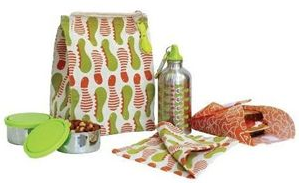
  1. Pack food in reusable lunch containers, like Kids Konserve
  2. Wash & reuse real silverware and cloth napkins when needed
  3. Store juice, water or other beverages in a reusable BPA free stainless steel bottles
  4. Control food portions to ensure that there are no leftovers to dispose of
  5. Pack it all in a reusable lunch bag or tote

Tip of the Week – Cut Kitchen Waste

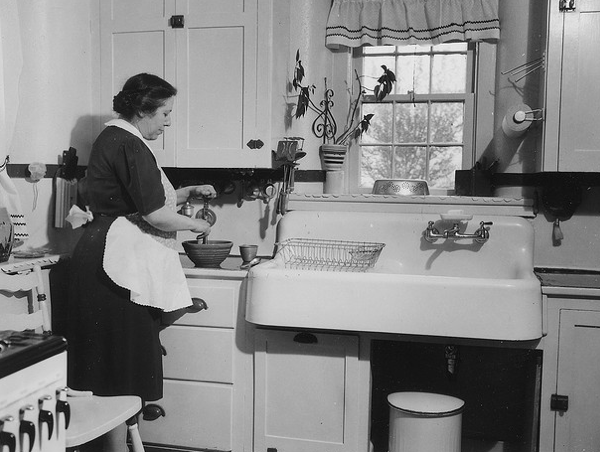
Call it thrifty or old fashion, but to cut kitchen waste you’ll need to cook like grandma used to. It’s easy, doesn’t take much extra time and the reward is eco-friendly goodness.
Cut Kitchen Waste

4 Waste Cutting Kitchen Tips

  1. Use up leftovers. You don’t have to eat the same thing over and over; try incorporating them into new recipes instead of letting them sit in the fridge.
  2. Don’t go to restaurants or order take-out. By cooking at home you’ll save money, and you’ll avoid the waste from extra take-out packaging.
  3. Don’t just cook. Cook from scratch. Whole, natural ingredients are better for you. Avoid the pre-packaged stuff, and you’ll avoid preservatives, additives and the wasted packaging material.
  4. Be thrifty. But don’t be thrifty by buying cheap stuff. Try to pick appliances and other big items that are durable & will last you a long time.

ecoskin – Recycled Plastic Smart Phone Antibacterial Covers

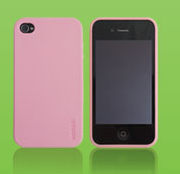
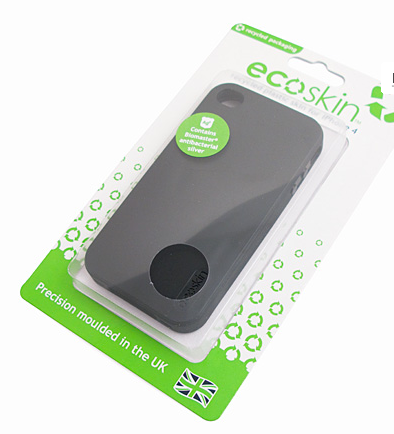
ecoskin - Recycled Plastic Smart Phone Covers
There are tons of skins, covers and pouches out there toprotect your mobile phone from scuffs, scratches and dings but what protects you from the bacteria just lingering on your phone?
Introducing the ecoskin!
An eco-friendly smart phone cover with antibacterial protection.
The ecoskin is the only recycled mobile phone cover to be infused with Biomaster or silver ions to reduce harmful bacteria levels on the phone. The same material is used as an additive for many medical devices to decrease bacterial levels by up to 99.9%.
Plus the ecoskin is made with 100% recycled high grade plastic and is UV resistant. The packaging used for the ecoskin is also made from recycled materials.ecoskin - Recycled Plastic Smart Phone Covers

ecoskin’s Key Eco-Features:

  • Made with 100% recycled high grade plastic
  • Antibacterial Biomaster Silver Additive
  • Packaging made from recycled materials
  • UV resistant

Eco-Friendly Car Guide

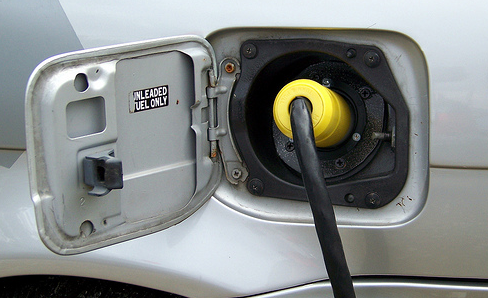
Flex Fuel CarsEver wonder what the variation is between different alternative fuel cars like a plug in hybrid, a flex fuel or an electric car?
Here’s a breakdown of all the different types of green vehicles that are currently available and also in development.

Hybrids

Hybrids combine two or more different propulsion systems, typically a gasoline engine and one or more electric drive motors. Most hybrids on the road today compliment their gas engines by charging a battery when breaking. Engines running on diesel or other alternative fuels can also be used in hybrids. A hybrid drive is fully scalable, which means the drive can be used to power everything from small commuter cars to large buses and even locomotives. Hybrids get more MPG or miles per gallon than most non-hybrids, and usually have very low tailpipe emissions.

Plug In Hybrids

Plug in hybrids get high MPG, cover many miles on battery power alone, and include a gasoline engine to provide greater range as needed. Plug in hybrids are mostly recharged from the grid, but some plug-in hybrid models can generate electricity when using them.

Electric Cars

Electric cars use one or more electric drive motors, powered by batteries, for zero-emission motoring. Electric cars are recharged by plugging into the grid, either at home, or with special electric vehicle charging stations. Car manufacturers are actively developing a new generation of electric cars using technologies and lessons learned from electric vehicles developed in the 1990s. Electric cars are extremely efficient and run for pennies per mile, much cheaper than any other alternative fuel.

Biodiesel

Biodiesel is a renewable alternative fuel made from various sources ranging from waste vegetable oil to soybeans. Biodiesel can be used in most diesel powered cars without modification. Biodiesel is a cleaner fuel than standard petroleum diesel.

Ethanol

Ethanol is an alcohol-based alternative fuel made from biomass. As a popular alternative fuel, ethanol is typically used in the form of E85 to power flex fuel cars outfitted specifically to run on this blend of 85% ethanol and 15% gasoline. There are  more than 30 flex fuel vehicle models that have been designed to run on two fuels from the same tank. Mostethanol today is produced from corn or sugar cane, although this will change as cheaper cellulosic ethanol made from fast growing woody grasses and other biomass becomes a reality.

Hydrogen Cars & Hydrogen Fuel Cells

Hydrogen is perhaps the cleanest of all alternative fuels, burning with nearly zero emissions in an internal combustion engine and with emissions of only water vapor and heat in an electro-mechanical fuel cell. Hydrogen vehicles are being developed in many forms by most major car manufacturers.

Air Powered Cars

Air powered cars are relatively new to the green car scene. Compressed air is currently being explored as a viable ‘alternative fuel’ to efficiently power car engines with little or no environmental impact.

Natural Gas

Natural gas, the cleanest-burning fossil fuel, is being used by an increasing number of medium- and heavy-duty commercial vehicles. Natural gas is stored and used in its liquefied or compressed states. It is most commonly abbreviated as LNG for Liquefied Natural Gas, and CNG for Compressed Natural Gas. While a variety of light-duty natural gas cars were once available, the only factory-produced natural gas car made today in the U.S. is Honda’s Civic GX. Other car models may be developed and sold in the United States as additional focus is placed on natural gas as a fuel source for alternative fuel vehicles.
Via: GreenCar

Top 5 Tips For An Eco Holiday Celebration

The holiday season is a great time for fresh starts and new traditions. If you haven’t started living a green lifestyle, now’s your opportunity. Here are the top five tips for creating a green Holiday Celebration.

Eco Holiday Tips:

  1. Cards -Consider switching to emailed holiday cards to reduce your landfill waste. If you would like to send printed paper cards consider a card which is made from 100% post consumer recycled paper and is printed with soy inks.
  2. Trees - Fake trees are reusable but are made from petroleum-derived sources and often shipped from abroad. Real trees, for their part, are typically sprayed with lots of pesticides. Organic Christmas trees are tough to come by. If you opt for a real tree, be sure to bring it to a local recycling center, where it can be chipped for mulch or used whole to stabilize wetlands. A better Christmas tree choice may be to purchase a live, potted tree, which can be planted outside after the holidays. Evergreen varieties such as pine, spruce, and fir work well in many regions.
  3. Lights -Switching to LEDs is 90% more efficient than incandescent lighting. LEDs don’t get as hot as traditional lights, lowering the risk of fire, and if one bulb goes out, the rest of the string still works. They last longer, too.
  4. Decorations - From bamboo placemats to homemade napkin rings, make a commitment to go green by decorating with an eco-friendly touch. Making Christmas decorations at home is another way to get the whole family involved in a creative project.
  5. Gift Wrapping - Get creative with your gift wrapping. Make the wrapping of the gift part of the gift, something that can be used for another purpose afterwards, like a scarf, reusable bag or even a tablecloth.
Happy Holidays!

Homemade Exfoliating Body Scrubs

I love all those natural pampering bath products, like soaps, body scrubs, lotions, oils… They smell like heaven in the shower when I use them and they make my skin feel great, but they are all so expensive.
So I decided to see if I could create my own.
After a little experimental trial & error, I finally came up with two DIY exfoliating body scrubs that are similar to store bought products, but are from ingredients on hand in most kitchens.

DIY Sugar Body Scrub

Ingredients:
1/2 Cup White Sugar
1/2 Cup Brown Sugar
3/4 Cup (or so) Olive Oil
1 Tablespoon Vanilla or Almond Extract
sugar scrub
Step 1: Add the 2 sugars to a containter, mixing until well combined.
mix sugars
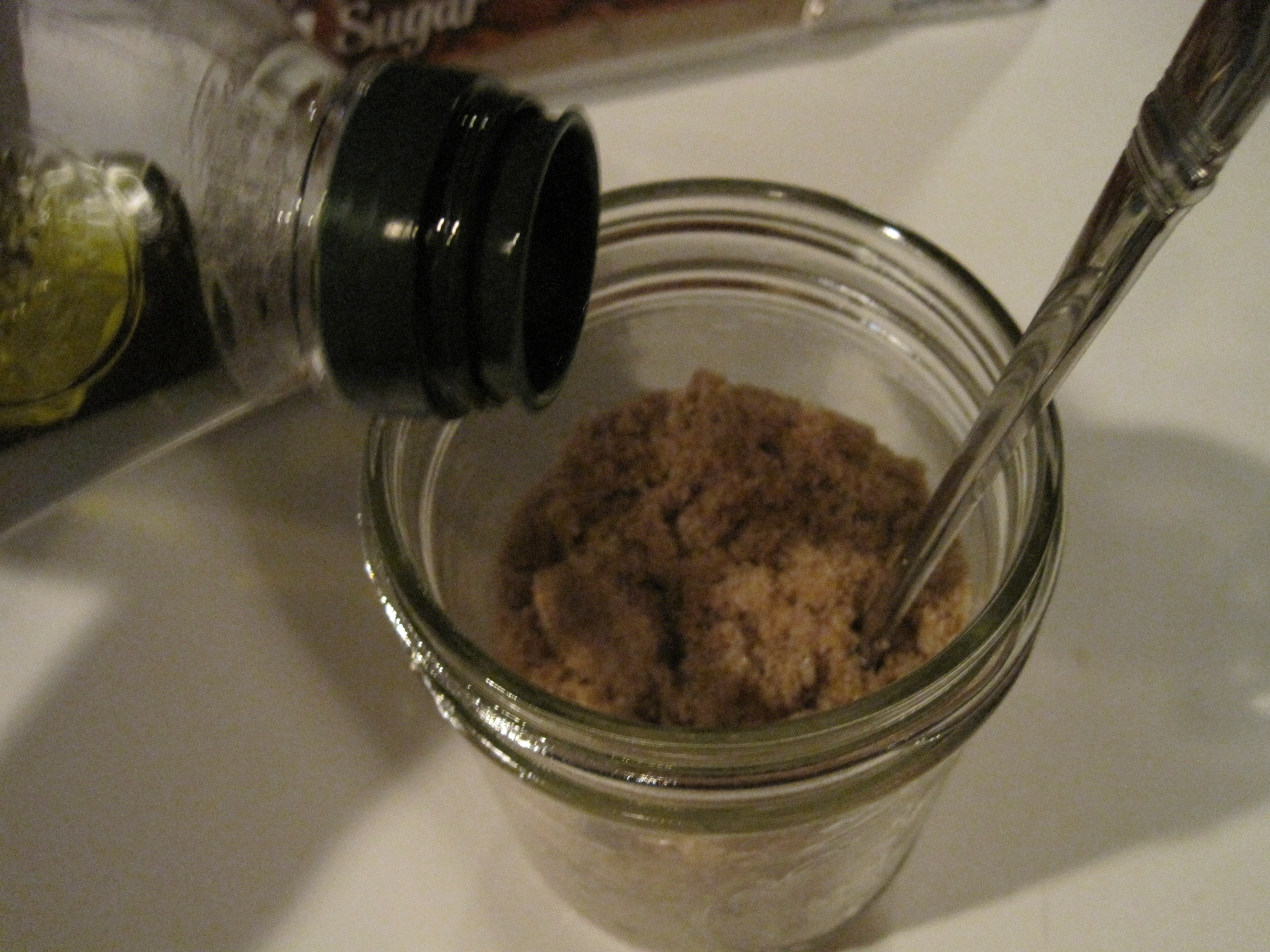
Step 2: Pour in most of the olive oil. Let it bubble down to the bottom, then pour in a little more. Mix with a spoon, if needed, until you have a nice sticky scrub.
add olive oil
mixing sugar scrub
mixing sugar scrub
Step 3: Mix in vanilla.
add vanilla
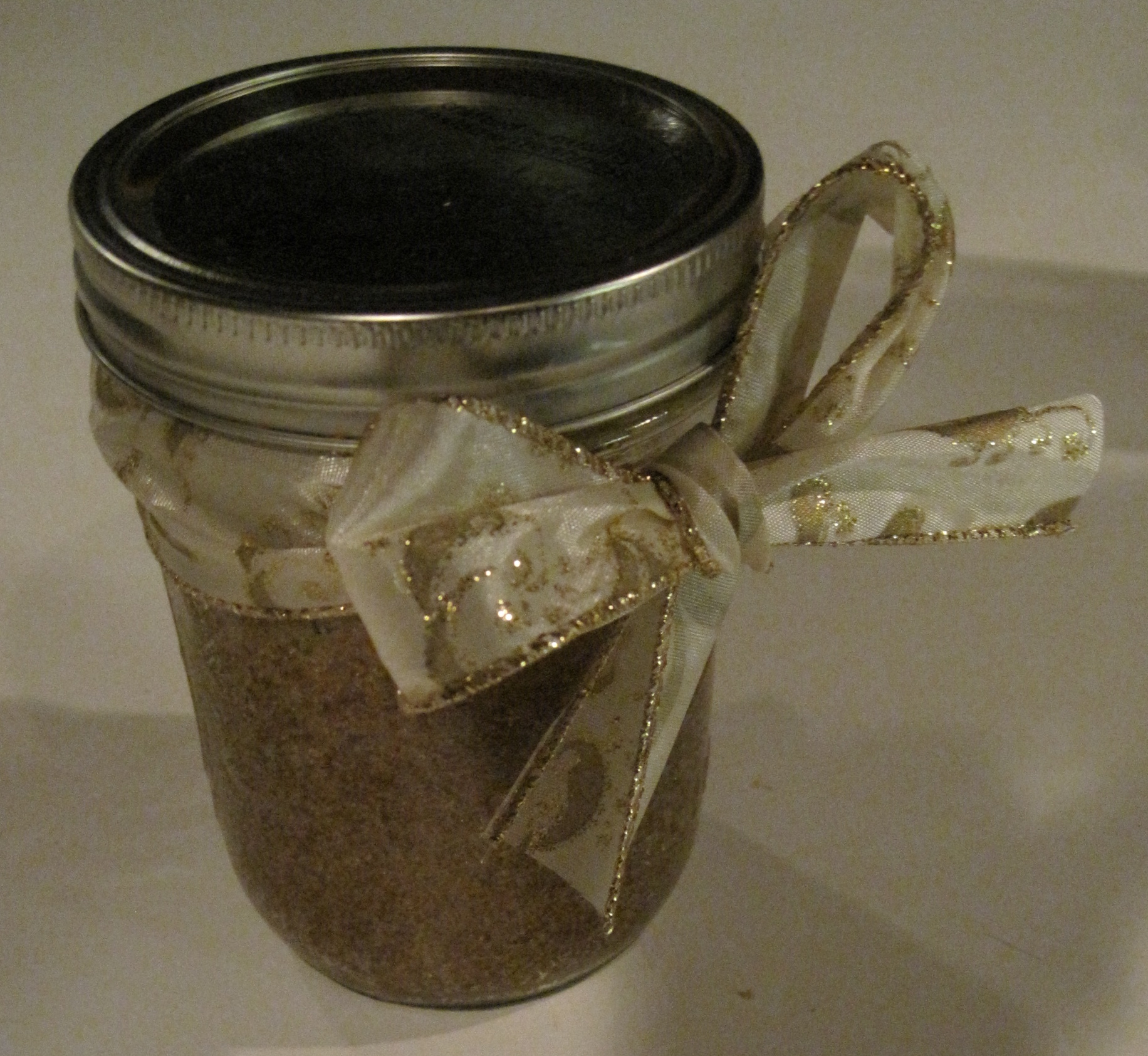
Step 4: Add a cute ribbon & this indulging exfoliating scrub makes the perfect gift.
sugar scrub gift

DIY Citrus Salt Body Scrub

Ingredients:
3/4 Cup Sea Salt
1/2 Cup Olive Oil
2 Slices of Lemon
2 Slices of Orange
citrus scrub
Step 1: Add olive oil & sea salt to blender.
Add salt
add olive oil
Step 2: Slice your fruit.
sliced lemon
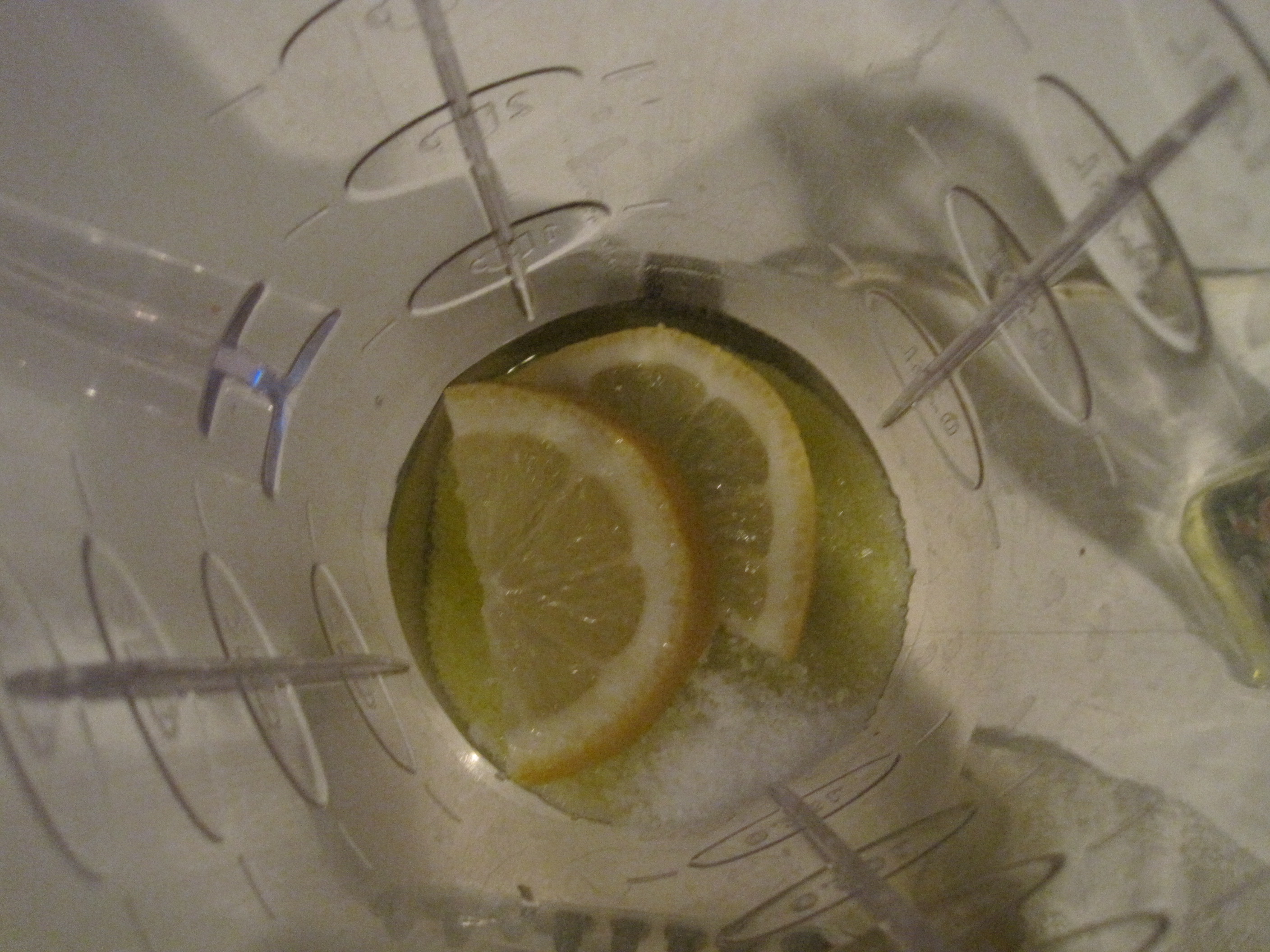
Step 3: Add fruit with the peel to the blender & mix.
lemon in blender
Step 4: Once completely mixed, so the fruit peel is itty bitty, transfer scrub mixture to a container.
transfer to container
Step 5: Add a cute ribbon & this summery exfoliating scrub also makes the perfect gift.
citrus scrub gift